How Salt Air Damages Roofs on Clearwater Beach And What to Do About It
import CTA from '@/components/blog/CTA'; import FAQ from '@/components/blog/FAQ'; import InternalLink from '@/components/blog/InternalLink';
Clearwater Beach's direct Gulf exposure creates the most aggressive salt corrosion environment in our service area Metal roofing components — flashing, nails, drip edges — corrode 2-3x faster than just 5 miles inland Annual inspections are essential for beachfront and near-beach properties Material selection is critical: aluminum, stainless steel, and copper outperform galvanized steel dramatically Call 727-555-ROOF for a free Clearwater Beach roof inspection specializing in salt damage assessment
There's nothing quite like living on Clearwater Beach. The sugar-white sand, the emerald water, the sunsets that make you stop whatever you're doing and just watch. It's consistently ranked among the best beaches in the world, and the people who live here wouldn't trade it for anything.
But if you own a home on or near Clearwater Beach, you also know that the Gulf that makes this place paradise is relentlessly hostile to your roof. Salt air doesn't just sit on the surface — it actively corrodes, degrades, and shortens the life of every metal component on your roof system.
This post is specifically for Clearwater Beach homeowners. We'll explain exactly how salt air damages your roof, what to look for, what materials can survive this environment, and when it's time to call in professionals who understand coastal roofing.
The Science of Salt Damage to Roofs
When ocean waves crash, they atomize seawater into microscopic droplets that become airborne. These droplets contain dissolved sodium chloride — common salt — along with magnesium, calcium, and other minerals. The salt-laden mist travels inland on the prevailing westerly and southwesterly winds.
Here's what salt does to your roof:
Electrochemical Corrosion
Salt is an electrolyte — a substance that conducts electricity when dissolved in water. When salt settles on your roof's metal components and combines with moisture (from rain, humidity, or dew), it creates an electrochemical cell that accelerates the oxidation of metal.
In plain English: salt makes metal rust much, much faster than it would otherwise.
Galvanized steel flashing that might last 20-25 years in inland Florida can fail in as few as 7-12 years on Clearwater Beach. Standard steel roofing nails can corrode to the point of failure in under 10 years.
Hygroscopic Action
Salt is hygroscopic — it attracts and holds moisture from the surrounding air. This means that even on days when it hasn't rained, salt deposits on your roof are actively pulling moisture from the humid Gulf air and keeping metal components wet. This continuous moisture exposure dramatically accelerates corrosion rates.
Abrasive Degradation
Salt crystals that form as moisture evaporates are sharp and abrasive. Wind blowing across the roof surface drives these microscopic crystals against shingle granules, accelerating granule loss. Over time, this contributes to premature shingle aging.
How Close to the Beach Matters
The intensity of salt exposure decreases with distance from the shoreline, but the effect extends further than most people realize:
| Distance from Shore | Salt Exposure Level | Corrosion Rate vs. Inland | ||--|| | 0-0.25 miles (beachfront) | Extreme | 3-5x faster | | 0.25-1 mile | Very High | 2-3x faster | | 1-3 miles | High | 1.5-2x faster | | 3-5 miles | Moderate | 1.2-1.5x faster | | 5+ miles | Low | Approaching normal |
On Clearwater Beach, which is a barrier island, the entire island receives extreme to very high salt exposure. Even homes on the intracoastal side of the island get significant salt from the Gulf-side winds that pass over the island.
The Most Common Salt-Related Roof Problems on Clearwater Beach
Catastrophic Flashing Corrosion
This is the problem we see most often and the one that causes the most damage. Flashing — the thin metal installed at roof intersections, chimneys, walls, valleys, and penetrations — is typically made from galvanized steel in standard construction.
On Clearwater Beach, galvanized steel flashing doesn't stand a chance.
What we find: Flashing with visible holes eaten through by corrosion Flashing so thin it crumbles when touched Rust stains running down the roof surface from flashing locations Water entry behind the corroded flashing, traveling down into wall cavities
Real-world example: We recently inspected a Clearwater Beach condo where the chimney flashing had corroded to the point of complete failure. Water had been entering behind the flashing for an estimated 2-3 years, causing structural rot in the chimney framing and ceiling damage throughout the unit. The flashing was only 9 years old.
Our fix: We replace all galvanized steel flashing with aluminum, stainless steel, or copper. For beachfront properties, we strongly recommend copper or stainless steel — the additional upfront cost is far less than the damage caused by premature failure. We also use corrosion-resistant sealants designed for marine environments.
Nail Pop and Fastener Failure
Every shingle on your roof is held by nails. In standard construction, these are galvanized roofing nails. On Clearwater Beach, the zinc coating on galvanized nails corrodes away, and the underlying steel nail begins to rust.
As the nail rusts, it expands — a phenomenon called "rust jacking." This expansion pushes the shingle upward, creating a visible bump or "nail pop." Eventually, the nail loses its holding power entirely, and the shingle can lift or blow off in the next wind event.
What we find: Visible rust spots on shingle surfaces around nail locations Shingle tabs that lift when pressed (indicating the nail has lost grip) Shingles that have detached after moderate wind Rust stains on fascia boards from nail heads in the drip edge
Our fix: During inspections, we test shingle adhesion by gently pressing on random shingles across the roof. If we find widespread fastener failure, we recommend a roof replacement using stainless steel or hot-dipped galvanized nails (which have a much thicker zinc coating than electro-galvanized nails). For spot repairs, we replace compromised fasteners individually.
Metal Roof and Accessory Corrosion
Many Clearwater Beach homes have metal roofs, metal roof accessories, or rooftop equipment that suffers from salt exposure:
Standing seam metal roofs — The panels themselves are usually aluminum (good for coastal), but the fasteners, clips, and trim may be stainless or galvanized steel. The non-aluminum components fail first. Satellite dishes and antenna mounts — The mounting brackets corrode, and the penetration points become leak sources. Solar panel mounting systems — The racking and attachment hardware must be marine-grade stainless steel. Standard hardware fails quickly. HVAC units on flat roofs — The mounting curbs and flashings around rooftop HVAC units corrode, creating leak paths.
Our fix: We inspect all rooftop metal components, not just the primary roofing material. Any non-marine-grade metal gets replaced with appropriate coastal-rated alternatives.
Shingle Granule Loss
While shingles themselves don't corrode, the abrasive action of salt crystals and the accelerated adhesive breakdown cause shingles to lose their protective granules faster than inland. Granule loss exposes the asphalt layer to UV radiation, which then causes the asphalt to dry out, crack, and fail.
What we find: Excessive granules in gutters (beyond normal first-year shedding) Bare spots on shingles where granules have completely worn away Cracked or curled shingle edges Shingles that feel brittle or crumble when touched
Our fix: If granule loss is localized, we repair the affected sections. If it's widespread across the roof, replacement is the appropriate solution. We specify shingles with enhanced granule adhesion and UV resistance for Clearwater Beach installations.
Best Roofing Materials for Clearwater Beach
If you're repairing or replacing your roof on Clearwater Beach, material selection is the most important decision you'll make. Here's our ranking of common roofing materials for this environment:
Excellent for Coastal
Standing seam aluminum roof — The best overall choice for Clearwater Beach. Aluminum doesn't rust, and the standing seam design eliminates fastener exposure. Lifespan: 40-60 years in coastal conditions. Copper flashing and accents — Copper actually improves with age, developing a protective patina. Ideal for flashing, valleys, and decorative elements. Lifespan: 50-100+ years. Concrete tile — The tile itself is impervious to salt. The underlayment beneath needs periodic replacement (every 20-25 years), but the tiles last indefinitely.
Good for Coastal
Stainless steel flashing — Excellent corrosion resistance, though more expensive than aluminum. Best for critical flashing points. Architectural shingles with corrosion-resistant fasteners — A solid choice if paired with stainless steel or hot-dipped galvanized nails. The shingles themselves will need replacement in 15-20 years due to UV exposure.
Not Recommended for Beachfront
Galvanized steel flashing — Will fail prematurely. Period. Electro-galvanized nails — Inadequate zinc coating for coastal use. Standard 3-tab shingles — Thin, lightweight, and poorly suited for high-wind, high-UV coastal environments.
Preventive Maintenance for Clearwater Beach Roofs
Between professional inspections, here's what you can do:
Rinse your roof quarterly. Use a garden hose from ground level to spray down the roof surface, removing accumulated salt deposits. Focus on metal components — flashing, drip edges, and any exposed fasteners. Never pressure wash.
Clean gutters monthly during dry season. Salt deposits accumulate in gutters and hold moisture against the fascia and drip edge. Keeping gutters clean reduces this exposure.
Inspect after every named storm. Clearwater Beach takes the brunt of tropical systems. After any named storm, do a visual inspection from the ground for missing shingles, displaced flashing, or debris.
Watch for rust stains. Rust-colored streaks on your roof are the earliest visible sign of metal corrosion. If you see them, call us — catching corrosion early prevents water damage.
Keep a maintenance log. Document every inspection, rinse, and repair. This record is valuable for insurance purposes and when you eventually sell the home.
<InternalLink href="/blog/hudson-florida-roof-leaks" title="Hudson also faces coastal challenges. Compare Clearwater Beach's extreme salt exposure with Hudson's moderate coastal conditions." />
Clearwater Beach Areas We Serve
We work across the entire Clearwater Beach barrier island and the adjacent mainland:
Clearwater Beach Island — Beachfront and near-beachfront condos and homes with maximum salt exposure Sand Key — The southern extension of the barrier island with similar extreme conditions Clearwater Beach mainland — The eastern side of the Intracoastal, still within the high salt exposure zone Island Estates — Luxury waterfront properties with premium roofing materials that still need expert maintenance Harbor Oaks — Established neighborhood with aging roofs approaching replacement age
Every Clearwater Beach property benefits from a roofer who understands the specific corrosion challenges of this environment.
<InternalLink href="/blog/free-inspection-estimate" title="Get a thorough salt damage assessment with your free Clearwater Beach roof inspection." />
Brand POV: Clearwater Beach Deserves a Roofer Who Gets It
Clearwater Beach isn't Spring Hill. It isn't New Port Richey. It's a barrier island on the Gulf of Mexico, and the environment here is as hostile to building materials as any location in the continental United States.
A roofer who doesn't understand that will install the same materials here that they use inland, and those materials will fail. The homeowner won't know why until water is coming through the ceiling.
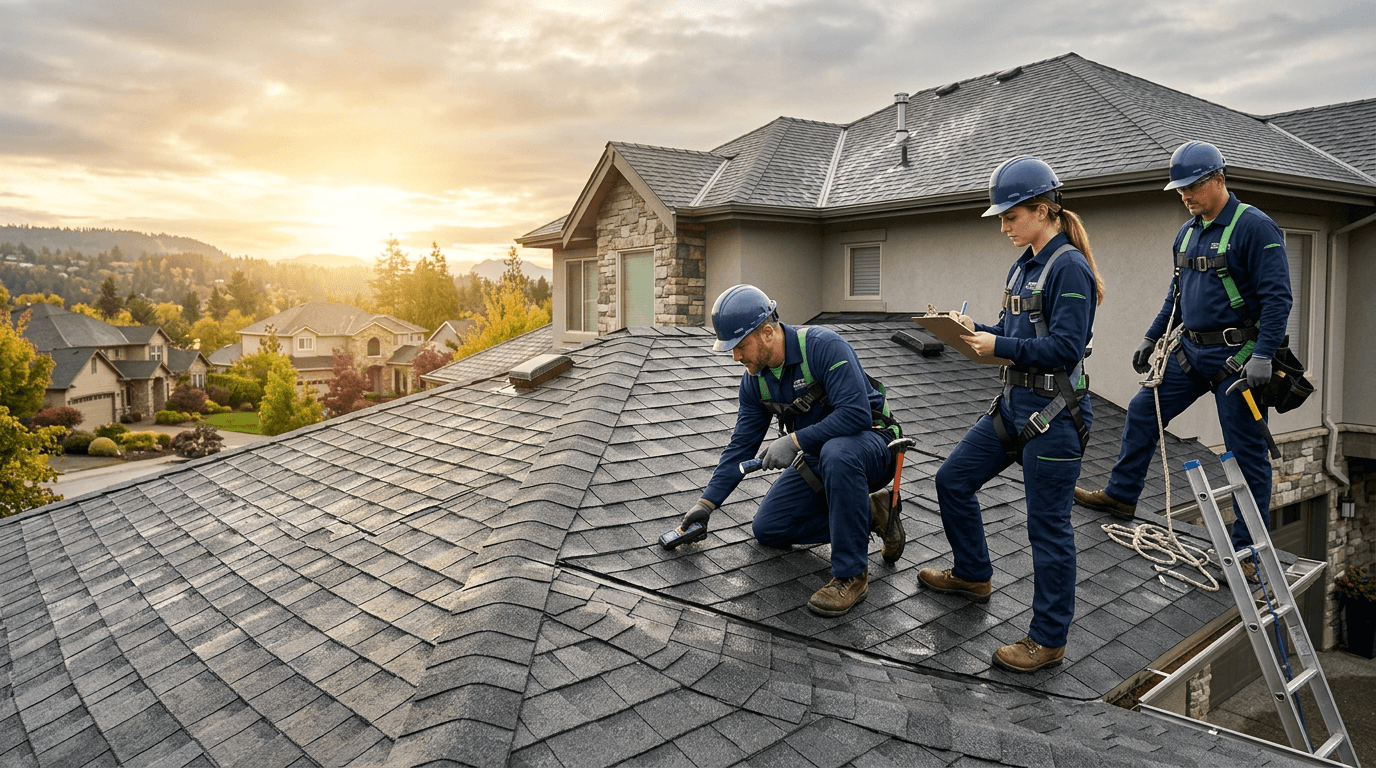
At Shield Roof Pro, we've been on enough Clearwater Beach roofs to know what works and what doesn't. We specify marine-grade materials. We use corrosion-resistant fasteners. We inspect for salt damage that an inland roofer wouldn't even think to look for.
We're not the cheapest option on the beach, and we don't try to be. We're the roofer you call when you want the repair to last. On Clearwater Beach, that distinction matters.
<CTA phone="727-555-ROOF" text="Protect your Clearwater Beach home from salt damage. Call Shield Roof Pro at 727-555-ROOF for a free coastal roof inspection." />
Frequently Asked Questions
How often should I have my roof inspected on Clearwater Beach?
We recommend quarterly visual inspections from the ground and a professional inspection at least annually. Clearwater Beach's extreme salt exposure accelerates deterioration to the point that a two-year inspection interval — standard for inland homes — leaves too much time for corrosion to cause hidden damage. After any tropical storm or hurricane, an additional professional inspection is advisable.
What's the best roofing material for a Clearwater Beach home?
Standing seam aluminum roofing is the best overall choice for Clearwater Beach. It's naturally corrosion-resistant, handles high winds exceptionally well, and lasts 40-60 years in coastal conditions. For homeowners preferring the look of shingles, architectural shingles paired with stainless steel or hot-dipped galvanized fasteners are a good second choice. We'll recommend the best material for your home's architecture, budget, and exact location during your free inspection.
Is salt damage to my roof covered by homeowners insurance?
Gradual salt corrosion is considered normal wear and tear and is not covered by homeowners insurance. However, if salt-weakened components fail during a named storm or wind event, the resulting damage may be covered as storm damage. The distinction matters. A professional inspection can help determine whether your damage is gradual deterioration or the result of a specific covered event.
Can I prevent salt damage to my roof?
You can't prevent it entirely — salt exposure is inevitable on Clearwater Beach — but you can dramatically slow it down. Regular rinsing of the roof surface to remove salt deposits, using corrosion-resistant materials, and catching early corrosion during inspections before it causes water damage are the most effective strategies. Think of it like maintaining a car in winter: you can't stop the road salt, but you can wash it off and use materials that resist it.
How do I know if my roofer understands coastal requirements?
Ask them. A roofer who understands coastal requirements will immediately talk about material selection — aluminum vs. galvanized flashing, stainless steel vs. standard nails, marine-grade sealants. They should recommend more frequent inspections for beach properties. If a roofer treats your Clearwater Beach roof the same way they'd treat a roof in inland Florida, find a different roofer.
export const faqData = [ { question: "How often should I have my roof inspected on Clearwater Beach?", answer: "We recommend quarterly visual inspections from the ground and a professional inspection at least annually. Clearwater Beach's extreme salt exposure accelerates deterioration to the point that a two-year inspection interval — standard for inland homes — leaves too much time for corrosion to cause hidden damage. After any tropical storm or hurricane, an additional professional inspection is advisable." }, { question: "What's the best roofing material for a Clearwater Beach home?", answer: "Standing seam aluminum roofing is the best overall choice for Clearwater Beach. It's naturally corrosion-resistant, handles high winds exceptionally well, and lasts 40-60 years in coastal conditions. For homeowners preferring the look of shingles, architectural shingles paired with stainless steel or hot-dipped galvanized fasteners are a good second choice. We'll recommend the best material for your home's architecture, budget, and exact location during your free inspection." }, { question: "Is salt damage to my roof covered by homeowners insurance?", answer: "Gradual salt corrosion is considered normal wear and tear and is not covered by homeowners insurance. However, if salt-weakened components fail during a named storm or wind event, the resulting damage may be covered as storm damage. The distinction matters. A professional inspection can help determine whether your damage is gradual deterioration or the result of a specific covered event." }, { question: "Can I prevent salt damage to my roof?", answer: "You can't prevent it entirely — salt exposure is inevitable on Clearwater Beach — but you can dramatically slow it down. Regular rinsing of the roof surface to remove salt deposits, using corrosion-resistant materials, and catching early corrosion during inspections before it causes water damage are the most effective strategies. Think of it like maintaining a car in winter: you can't stop the road salt, but you can wash it off and use materials that resist it." }, { question: "How do I know if my roofer understands coastal requirements?", answer: "Ask them. A roofer who understands coastal requirements will immediately talk about material selection — aluminum vs. galvanized flashing, stainless steel vs. standard nails, marine-grade sealants. They should recommend more frequent inspections for beach properties. If a roofer treats your Clearwater Beach roof the same way they'd treat a roof in inland Florida, find a different roofer." } ];
Need professional roofing help?
Next Level Roofing Contractors serves the Tampa Bay area with 18+ years of experience. Request a free estimate through our contact form.
Request Free Estimate